
Medical Dermatology
Acne
Acne is a common skin disease that begins at adolescence, and for many can continue into adulthood. Because it is associated with changes in hormonal levels, it can affect adults, particularly women, who have no previous history of the disease. It typically affects skin where there is the densest population of sebaceous hair follicles, which explains it occurring mostly on the face, upper chest and the back.
Acne Treatments
Successful acne treatment varies from individual to individual, therefore we offer a several different acne treatments and procedures and our Acne Treatment Center staff works one-on-one with patients to customize a program best suited for their individual needs. We provide a complete team approach to treating acne that includes a skin care pharmacy and boutique where we offer exclusive, custom-formulated products. Our medical aestheticians are unique in Miami, having trained specifically to work with acne patients and completed a 6-8 month internship working alongside the dermatologist before seeing patients. During your treatment, they will track your progress, review your medications and provide Clinical Facials and/or Chemical Peels designed to improve your skin as quickly as possible. They serve as your advocates if they see the treatment is not performing optimally and will help communicate your needs to the providers.
Barba Skin Clinic dedicates four rooms specifically to the treatment of acne patients and we also offer emergency pimple injections on a walk-in basis for patients that need to get clear for an important event.
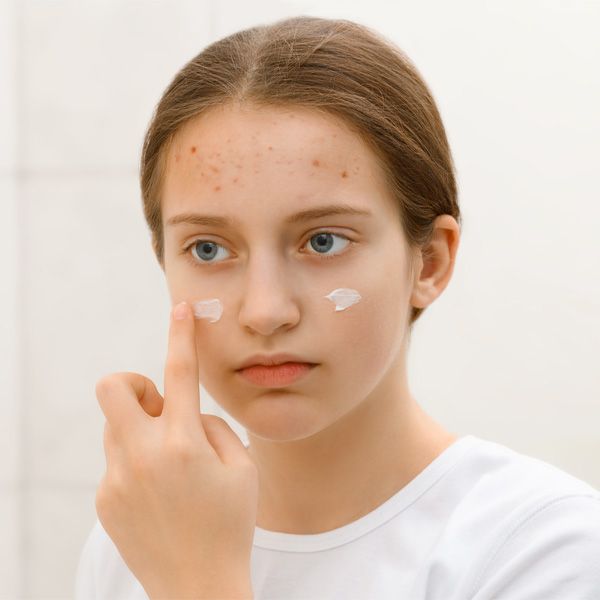
What acne treatments are available?
In addition to the wide array of therapies offered at our Acne Treatment Center — prescription medicines, cleansers, masks, clinical facials and chemical peels — we also offer the following treatments for acne:
Photodynamic Therapy (PDT) with Levulan® or Alumera
The treatment involves applying a solution called Levulan on the skin where it is absorbed specifically by overactive oil glands and the bacteria responsible for acne. Light from a laser activates the solution to kill bacteria and shrink the oil glands, resulting in a significant improvement in moderate to severe cystic acne, often without the use of systemic medications. Levulan® therapy is safe and can often help patients who have failed other therapies. Usually 3-4 treatments are required.
Acne Injections (Emergency Pimple Injections)
When a blemish strikes before an important event, this treatment is a lifesaver. A very dilute cortisone solution is injected directly into the pimple, which quickly flattens out and heals the acne lesion. It’s perfect when you need to look good now. All registered patients of Barba Dermatology and Barba Skin Clinic are welcome to stop by our clinics for emergency pimple injections during regular office ours. Call us to schedule an appointment or feel to walk-in.
Acne Laser Treatments
We have lasers to treat active acne and help with healing. We also have multiple lasers to treat the negative consequences of acne; dark spots, red spots and scarring. A consultation is necessary to determine the right treatment for you.
Dermatitis
Dermatitis is an inflammation of the skin that can result from direct contact with certain substances, such as soap, cosmetics, jewelry, or weeds, including poison ivy or poison oak. Symptoms of contact dermatitis can include red, itchy rash, dry patches resembling burns, pain or tenderness, and in some severe cases, blisters and draining fluid. Contact dermatitis isn't contagious or life-threatening, but it can be very uncomfortable.
To successfully treat dermatitis, Dr. Alicia Barba and her team follow these steps:
Identify the Cause
Determine if the inflammation is caused by an irritant or an allergen.
Irritants
- Examples: Contact with a particular detergent, soap, problematic skin care or cosmetic product, including deodorant.
- These substances can remove oil and protective barriers from your skin, leading to excessive dryness and inflammation.
- Treatment: Dr. Barba will advise you to remove the offending substance from your possession.
Allergens
- Examples: Poison ivy, poison oak, various chemicals or metals (including those found in some jewelry).
- Dermatitis from allergens is usually due to re-exposure to a specific substance.
- Note: New allergies can develop even beyond middle age, and once an allergic response is developed, it remains for life.
Itchiness
- Intense itchiness often accompanies dermatitis, whether caused by irritants or allergens.
- Important: Avoid prolonged scratching, as it can lead to thick, leathery skin, raw or discolored patches, bacterial infections, and permanent scars or changes in skin color.
Treatments
- Patch Testing: A diagnostic tool used by Dr. Barba to identify the specific agent triggering your contact dermatitis.
- Product Recommendations: Based on the specific allergies identified, using access to a national allergen database.
By following these steps and utilizing the treatments offered by Dr. Alicia Barba in Miami, you can effectively manage and treat dermatitis. If you have any questions or need further assistance, feel free to ask!

Seborrhea (Dandruff)
Seborrhea, dandruff or seborrheic dermatitis, as it is better known, is a chronic inflammatory skin disorder that gets its name from the sebaceous glands found on your head and trunk. It is thought that in patients who have seborrhea, a type of yeast associated with these glands, can build up from time to time, leading to an irritation that causes the surrounding skin to redden and flake. Seborrhea is very common and can be easily treated with the right medications.
How is it treated?
Proper hygiene plays an important role in treatment. Washing with an antifungal shampoo can inhibit the growth of the yeast, and gentle topical steroids and antifungal cream can help with redness and scale. Treating seborrheic dermatitis is important as chronic inflammation can contribute to hair loss.
Eczema
Eczema, or Atopic Dermatitis, is a type of dermatitis whose exact cause is unknown, but is thought to be associated with your body’s immune system overacting when in contact with some undefined environmental trigger. For some, an eczema inflammation can occur with the touch of a rough material, such as wool. For others it could be simply the exposure to animal dander, or even a feeling of being too hot or too cold. Eczema tends to be found in families with a history of other allergies or asthma. It is particularly common to infants and children under 5, but for some adults, it persists throughout their lives.
What are some of the symptoms?
Skin affected with eczema usually appears very dry, thickened or scaly. And while they break out mostly on the face, knees, hands, or feet, these dry, rough, flaking patches can appear anywhere on the body. Affected areas are always accompanied by uncomfortable itchiness and may also initially appear reddish before turning brown. In some people they can even affect skin pigmentation. If left untreated, eczema can lead to infection, but ultimately, treatments for it are intended to manage your condition, since there is no known cure. At the very least, eczema is manageable and it is not contagious.
Which products help?
We carry Avene and Vanicream products which are made specifically for skin with eczema. We can also do a patch test to determine whether or not there are specific contact allergens that are making the eczema worse.

Hair Loss for Women
While hair loss in men is almost always the result a genetic predisposition coupled with age, in women it can happen at any time. According to the American Academy of Dermatology, serious hair loss affects nearly 30 million women in the United States.
What causes hair loss?
In a healthy hair system, each time a strand of hair naturally falls out of a follicle, the follicle immediately begins growing a new, replacing strand. With hormonal changes associated with age, follicles can become clogged with a build up of excessive enzymes and hormones that cause it to shrink until it eventually dies or becomes incapable of producing healthy hair growth. Multiply the loss of that replacing strand and hair loss becomes easy to understand.
How does it affect women?
Women experience hair loss through excessive shedding, as well as hair coming out in clumps and patches. Again, unlike men, who tend to experience baldness on the temple or crown of their heads, women see their hair loss less specifically based, but occurring around the whole top of their head. Hair loss often follows childbirth, crash dieting, surgery or a traumatic emotional event. But it can also be a symptom of some greater underlying physical problem, or including not only hormonal changes, but also chronic illnesses such as anemia or thyroid disorder. For this reason, we recommend a consultation with anyone who is experiencing serious hair loss.
How is hair loss treated?
At Barba Dermatology, our systematic approach to treatment reflects how seriously we take the problem of hair loss. We begin with a consultation and a thorough physical exam of the scalp. We follow up with lab work to look for internal causes, while a biopsy of the scalp is sent to a dermatopathologist who specializes in hair loss. Medical treatment is then tailored to the patient’s particular case, such as early female pattern, alopecia areata, and telogen effluvium.
Treatments for hair loss can include;
- Injections
- Laser Therapy
- Vitamins
- Shampoos
- FDA-approved medications, such as minoxidil and finasteride
Psoriasis
Psoriasis is fairly common skin disorder that may affect people of any age, though it usually begins between ages 15 and 35. It can appear both suddenly or slowly, and in many cases, it goes away only to repeatedly flare up again as a lifelong condition. Little is known about what causes psoriasis. In psoriasis there is an overproduction of skin cells which rise too quickly to the outer layer and build up as dead cells on the skin's surface. An outbreak of psoriasis may be your body’s response to other illnesses such as a bacterial or viral infection, or environmental triggers such as dry air. Skin injuries, sun overexposure, even stress can all contribute. Symptoms can include not only irritated, itchy patches of skin, but also redness and discoloration, dry and flakey scaling, and additionally joint pain, and changes to nails. Psoriasis can appear anywhere on the body, but it is most often seen on elbows, knees and scalp. Though it is not contagious, it is thought to be an inherited disorder.
Rosacea
Rosacea is a chronic skin disease that causes pimples and redness on the face. The face, chest, and/or eyes may also be affected. Symptoms range from red pimples, lines and visible blood vessels to dry or burning skin and a tendency to flush easily. Men and women affected by rosacea often feel self-conscious and this increases as the rosacea worsens.
How is rosacea treated?
Rosacea will require lifelong therapy. It can be treated with gentle cleansers, topical creams and sunscreens, oral medications, and finally, laser therapy.
Can lasers treat rosacea?
Yes. If you are experiencing rosacea, it is best to treat it early to prevent the development of more permanent or disfiguring forms.
Can the symptoms of rosacea worsen over time?
- Examples: Poison ivy, poison oak, various chemicals or metals (including those found in some jewelry).
- Dermatitis from allergens is usually due to re-exposure to a specific substance.
- Note: New allergies can develop even beyond middle age, and once an allergic response is developed, it remains for life.
Skin Cancer Services
At our clinic, patient education is a priority. We inform you about your condition, treatment options, and preventive measures to protect your skin. Our supportive team guides you through each step of your care journey, ensuring you feel informed and empowered. Trust us for the highest standard of dermatological care and support for your skin health needs. We offer a range of services for diagnosing, preventing, and treating skin cancer. Our experienced dermatologists use the latest technologies and techniques, ensuring you receive the best care for the following services:
Skin Cancer Screening
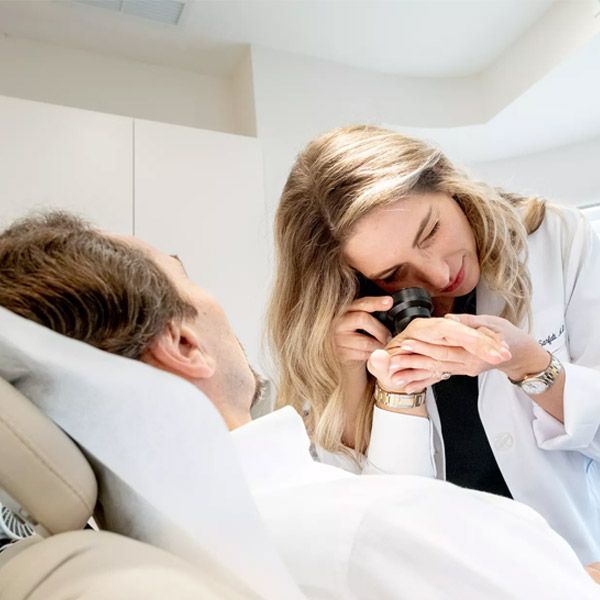
At Barba Dermatology, we pride ourselves in offering a complete and thorough skin exam to help protect the health of all our patients. It is important to remember that our skin cancer screening is a stand-alone examination, to be performed apart from any other dermatological service or procedure we may offer. We therefore encourage all our patients to please specify when making an appointment for a screening and plan their schedules accordingly.
What is a screening exam?
A complete screening exam involves you getting completely undressed so we may examine your scalp, face, behind the ears, eyelids, trunk, arms, legs, genitals and even between the toes.
How often is screening needed?
This should be repeated yearly for most people. Occasionally the doctor will recommend full skin exams 2-4 times per year for individuals at high risk for skin cancer. The recommendations for skin exams are tailored to your risk profile.
Melanoma & Skin Cancer Treatments
We offer comprehensive treatments for melanoma, basal cell carcinoma, and squamous cell carcinoma. Our team will develop a personalized treatment plan tailored to your needs, which may include surgical excision, cryotherapy, topical treatments, or advanced options like Mohs surgery. We aim to provide effective treatment with minimal impact on your quality of life.
Cysts & Lymphoma
We diagnose and treat cysts and lymphoma, which can potentially lead to cancer if untreated. Our specialists manage these conditions with various interventions, including minimally invasive procedures and, if necessary, more extensive surgeries. Prompt treatment aims to prevent progression to more severe health concerns.
Wart Removal
At Barba Dermatology in Miami Beach, we offer comprehensive wart removal services tailored to meet your specific needs. Our experienced dermatologists utilize advanced techniques such as cryotherapy, which involves freezing the wart with liquid nitrogen, and electrosurgery, which burns and scrapes off the wart. We also provide topical treatments that help the skin shed the wart effectively. These procedures are designed to be quick and minimally invasive, ensuring you can return to your daily activities with minimal downtime. If you're struggling with persistent or painful warts, our team at Barba Dermatology is here to provide relief and prevent the spread of warts to other parts of your body or to others